

The New Era of Metabolic Care
The healthcare landscape is undergoing its most seismic shift in a generation. The catalyst is the explosive rise of GLP-1 receptor agonists like semaglutide and tirzepatide. Originally developed for type 2 diabetes, these medications have transformed into global blockbusters for weight management and metabolic health.
For the medical device industry, this phenomenon is not a threat. It is the ultimate growth accelerator.
Continuous Glucose Monitors (CGMs), once viewed strictly as tools for intensive insulin management, are perfectly positioned to ride this pharmaceutical wave. Together, GLP-1s and CGMs are shifting the paradigm from reactive treatment to proactive, data-driven metabolic optimization. This integration represents a massive market opportunity for manufacturers, clinicians, and digital health platforms.
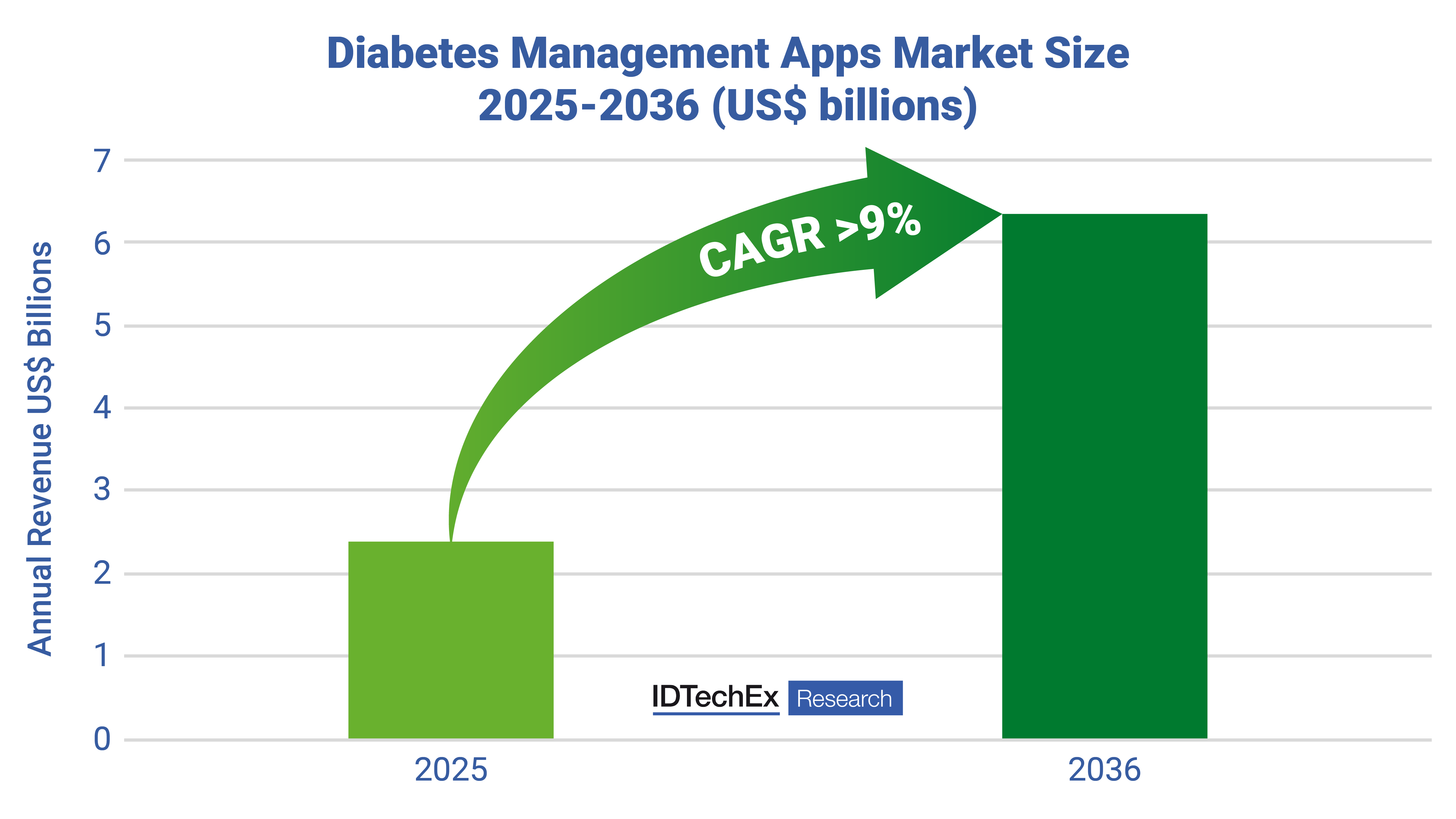
CGMs, digital apps, weight loss drugs and their synergistic relationships are analyzed in IDTechEx's new market research report "Diabetes Management Technologies 2027-2037: Markets, Players, and Forecasts".
The Perfect Complementary Therapy
Initially, medical technology companies feared that weight-loss injections would decrease the need for glucose monitoring. However, real-world data paints a very different picture. Studies have consistently demonstrated that combining a GLP-1 with a CGM, such as Abbott FreeStyle Libre or Dexcom G7, results in significantly larger HbA1C reductions compared to utilizing a GLP-1 alone.
GLP-1 drugs are highly effective, but they are not magic pills that work in a vacuum. True health optimization requires behavior change, and that is where CGMs and their associated digital health apps become indispensable.
1. Visualizing the Invisible
GLP-1 medications alter gastric emptying and insulin secretion, radically changing how a patient's body reacts to food. A CGM turns these internal, invisible biological shifts into real-time, actionable data. When patients see their glucose curves flattening in real-time, it acts as a powerful psychological feedback loop. This immediate reinforcement validates the expensive medication and boosts patient engagement.
2. Boosting Treatment Adherence
While GLP-1s deliver remarkable results, real-world data reveals high discontinuation rates. Side effects like nausea, muscle mass loss, or weight plateaus often cause patients to stop treatment within the first year.
Integrating a CGM provides a crucial navigation system:
Side Effect Management: Patients can track how specific food choices exacerbate or alleviate gastrointestinal symptoms.
Plateau Busting: If weight loss stalls, CGM data can pinpoint hidden glycemic spikes that hinder progress.
Protecting Muscle Mass: Bio-wearable data helps users ensure they are fueling their bodies correctly to lose fat, not lean tissue.
Data from Abbott indicates that patients using GLP-1s tend to wear their sensors more consistently, creating a mutually reinforcing loop of healthy habits and medical compliance.
3. Preserving the "Lean Mass" Premium
A major medical critique of rapid GLP-1 weight loss is the simultaneous loss of skeletal muscle. To counteract this, patients must consume adequate protein and engage in resistance training. CGMs help users optimize their nutrient timing around workouts. This ensures that the energy cleared by GLP-1 activity goes toward muscle preservation and recovery rather than fat storage.
Accelerating Growth and Expanding Horizons
The traditional Total Addressable Market (TAM) for CGMs was historically limited to individuals with Type 1 diabetes and insulin-dependent Type 2 diabetes. The GLP-1 boom tears down these market boundaries, creating an expansive new consumer segment.
As the global GLP-1 market accelerates toward a projected valuation of US$190 billion by 2036, CGMs are perfectly positioned to ride this commercial wave. The integration of these two technologies is reshaping how manufacturers market and scale their medical devices.
Tens of millions of individuals globally fall into the categories of obesity, prediabetes, and metabolic syndrome. As clinical guidelines expand to recommend GLP-1s for cardiovascular harm reduction and sleep apnoea, the pool of prescribed users will skyrocket. For every new GLP-1 prescription written, there is a compelling clinical argument for a concurrent CGM prescription.
Personalization and Precision
The future of metabolic health lies in hyper-personalization. By analyzing CGM-derived metrics, healthcare providers can optimize GLP-1 dosing schedules to maximize weight loss and minimize side effects. Because GLP-1 drugs work by stimulating insulin release and regulating appetite control, maintaining steady glucose levels is essential for sustained energy and muscle preservation. Continuous monitoring ensures that GLP-1 therapies are tailored to an individual's unique metabolic rhythm rather than relying on a generalized dosing approach.
Expanding to the Wellness Market
The GLP-1 wave has primed the public to take an active role in their metabolic wellness. Recognizing this shift, CGM leaders have introduced over-the-counter (OTC) options, such as Dexcom's Stelo platform, which caters specifically to Type 2 non-insulin users and health-conscious consumers.
Individuals taking weight-loss drugs often want to ensure they are building sustainable, long-term lifestyle habits. Pairing a continuous metabolic insight tool with a GLP-1 routine allows users to:
- Identify personal glucose triggers to make better nutritional choices.
- Track the long-term metabolic benefits of their weight-loss journey.
- Avoid post-medication weight regain by sustaining positive behavioral changes.

Photo: Cyclist wearing a CGM
The Bottom Line
The intersection of GLP-1 drugs and continuous glucose monitoring is far more than a temporary trend; it is the new standard of chronic disease and obesity management. For CGM manufacturers, GLP-1 drugs serve as a massive market accelerator rather than a threat. By offering a comprehensive, data-driven approach to health, CGMs provide the vital visibility patients need to unlock the full potential of their weight-loss and diabetes management.
For more information on this report, including downloadable sample pages, please visit www.IDTechEx.com/Diabetes, or for the full portfolio of related research available from IDTechEx, see www.IDTechEx.com/Research/Healthcare.
